Source Disposable Wooden Cosmetic Spatula for Medical, Home, and Kitchen Use
Find 30 verified listings for the disposable wooden cosmetic spatula, including birch wood tongue depressors and kitchen utensils. Compare specifications like size, MOQ, and certifications from Chinese manufacturers to find the right supply chain partner; compare the available evidence and request quotations based on your requirements.
Key considerations
Products List






Comprehensive Sourcing Guide
Disposable Wooden Cosmetic Spatula Sourcing Guide
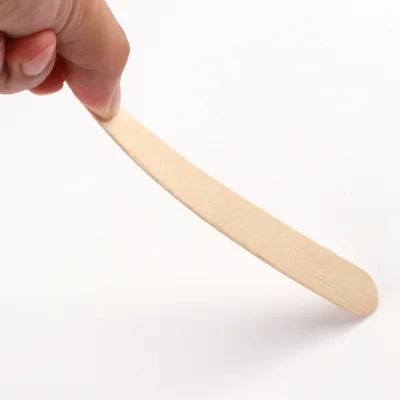
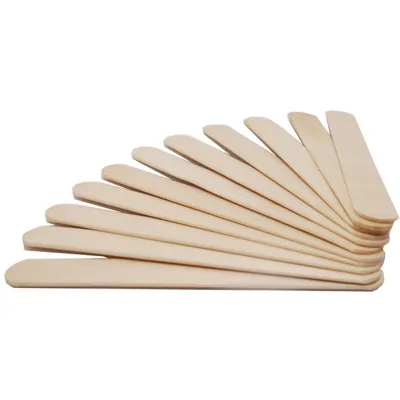
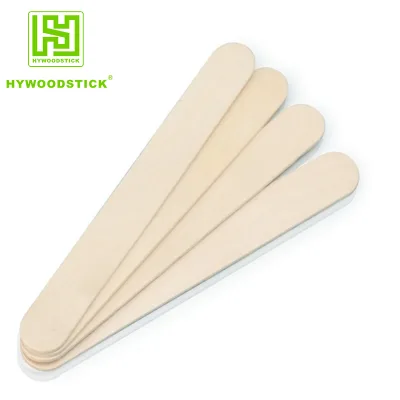
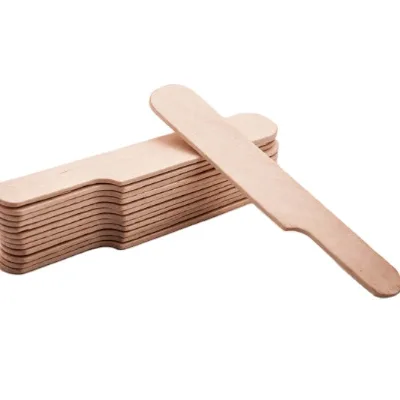
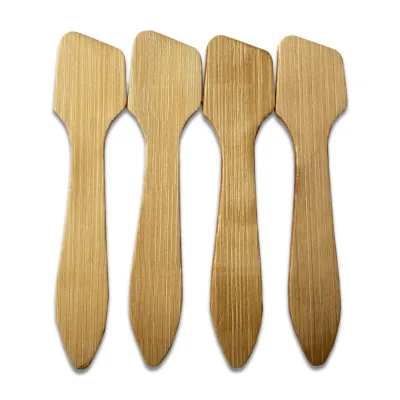
The global market for disposable wooden cosmetic spatulas centers on medical polymer materials and products designed for both clinical and home environments. These tools are primarily utilized for gynecological examinations, tongue depressors, and cosmetic applications involving cream or makeup application for adults and children. The observed product range includes large jumbo sticks and standard tongue depressors, with specific model numbers like HY16121603 indicating distinct manufacturing lines for different usage scenarios.
Buyers must distinguish between products intended for sterile medical procedures and those designed for general home kitchen or restaurant cooking utensils. While some listings emphasize eco-friendly and sustainable attributes, others focus on high-quality birch wood construction for durability. The supply chain often originates from regions like Heilongjiang and Hubei in China, with dispatch ports including Dalian, Shanghai, and Wuhan, requiring careful logistics planning for international procurement.
Product Scope and Observed Listing Signals
Procurement teams should verify the specific physical dimensions and material composition before placing orders, as sizes vary significantly from 65mm to 200mm in length. The observed listings indicate a range of thicknesses and widths, such as 110102mm or 200251.8mm, which directly impact the tool's rigidity and suitability for specific cosmetic or medical tasks. Buyers need to confirm whether the product is made from standard wood or specifically birch wood, as this affects the grain structure and splinter resistance.
Commercial signals also reveal diverse packaging configurations that influence unit economics and storage requirements. Some suppliers offer bulk packaging with 10,000 pieces per carton, while others provide individual paper wrapping or polybag options with 100 pieces per bag. The single package size can range from compact 9.3x1x0.2 cm units to larger 34x45x34 cm cartons, necessitating a review of warehouse capacity and shipping volume constraints to optimize freight costs.
Technical Specifications to Verify
Technical due diligence requires confirming the exact model number and single gross weight to ensure consistency across production batches. Specifications such as the HYWY001 model or the HY16121603 variant dictate the physical profile, while weight data points like 0.003 kg or 0.300 kg per unit help calculate total shipment mass. Buyers must also validate the single package size against their logistical needs, ensuring that the 16x12x5 cm or 9.3x1x0.2 cm dimensions align with palletization strategies and container loading efficiency.
Material grade and color consistency are critical technical parameters that affect the final product's aesthetic and functional performance. The observed listings specify natural wood colors and grades ranging from A to BC, which buyers should verify to prevent receiving products with excessive knots or discoloration. Additionally, the care instructions, such as freezer safety, and the utensil type classification must match the intended application, whether for ice cream tools, cosmetic creams, or medical examinations, to avoid functional failures during use.
Compliance and Safety Documentation
Regulatory compliance is paramount for medical-grade wooden spatulas, requiring verification of specific certifications like CE and ISO13485 before finalizing any contract. These documents confirm that the manufacturing process meets international standards for medical devices, ensuring the products are sterile and safe for direct contact with skin or mucous membranes. Buyers should request current certificates for each batch to validate that the supplier maintains these standards consistently over time.
Beyond medical certifications, environmental and safety claims regarding the product's eco-friendly and disposable nature must be substantiated with supporting documentation. The supply chain often highlights attributes like being healthy and sustainable, but these claims require proof of material sourcing and processing methods. Procurement teams should ensure that the supplier can demonstrate compliance with relevant environmental regulations and that the products are genuinely free from harmful chemical treatments that might compromise user safety.
Cost Drivers and Commercial Terms
Pricing structures for disposable wooden spatulas are heavily influenced by the minimum order quantity and the complexity of the packaging configuration. Observed MOQs range widely from 10 units to 200,000 units, with specific listings showing thresholds like 10,000 pieces or 10-50 cartons. Buyers must negotiate based on their volume requirements, as larger orders often unlock lower unit costs but require significant upfront capital and storage space for inventory management.
Supply ability and lead times are additional cost drivers that affect the total landed cost of the procurement. Suppliers may offer capacities of 100,000 bags or pieces per week, but actual delivery schedules depend on the specific port of dispatch and current logistics conditions. Terms such as FOB Dalian or FOB Shanghai define the point at which risk transfers to the buyer, influencing insurance costs and freight responsibilities. Buyers should clarify whether the price includes custom logo printing or if OEM/ODM services incur additional fees.
Supplier Qualification and Quality Control
Supplier qualification begins with verifying the brand name and origin, as products may be listed under names like HYWOODSTICK or HYWY with origins in Heilongjiang or Hubei. Buyers should assess the supplier's track record in producing high-quality items and their ability to maintain consistent product attributes across different production runs. It is essential to confirm that the supplier accepts customer logos and offers OEM/ODM services if branding is a strategic requirement for the procurement.
Quality control protocols must be established to ensure that the delivered spatulas meet the specified material and dimensional standards. Buyers should implement incoming inspection procedures to check for defects such as splinters, uneven cuts, or incorrect packaging counts. Given the disposable nature of the product, verifying that the items are sterile and free from contaminants is crucial, especially for medical applications where infection control is a primary concern.
Long-Term Procurement Checks
Sustainable sourcing requires ongoing monitoring of the supplier's ability to maintain the eco-friendly and healthy attributes claimed in the product listings. Buyers should periodically review the material grade and color consistency to ensure that the natural wood color remains stable and that the birch wood quality does not degrade over time. Long-term contracts should include clauses that mandate adherence to the original specifications regarding size, weight, and packaging details.
Performance tracking should also focus on the reliability of the supply chain and the consistency of the delivery schedule. Buyers need to monitor the supplier's ability to meet the stated supply ability of 100,000 pieces per week without delays that could disrupt production or sales cycles. Regular audits of the supplier's facilities and quality management systems will help ensure that the products continue to meet the high-quality standards required for both medical and cosmetic applications.
FAQs
What materials are used for disposable wooden cosmetic spatulas?
These spatulas are typically crafted from birch wood or general wood materials. The natural wood color is preserved to ensure an eco-friendly and sustainable product. This material choice supports healthy usage for both medical and cosmetic applications, providing a sturdy yet disposable tool for various professional and home needs.
What certifications do these wooden spatulas hold?
The products hold CE and ISO13485 certifications, ensuring compliance with medical and quality standards. These credentials verify that the manufacturing process meets rigorous safety and hygiene requirements. This makes the spatulas suitable for professional medical examinations, cosmetic applications, and other sensitive uses requiring sterile and high-quality disposable tools.
What are the available sizes for these spatulas?
Sizes range from 65mm to 140mm, with specific dimensions like 200*25*1.8mm and 150*18*1.6mm. Custom sizes are also available to meet specific client requirements. This variety allows users to select the appropriate tool for different applications, whether for large tongue depressors, cosmetic cream application, or general kitchen utensil needs.
Can I customize the packaging for these wooden spatulas?
Yes, customized packaging is accepted to suit specific distribution needs. Options include individual paper wrapping, polybags with 100 pieces, or bulk cartons containing 10,000 pieces. This flexibility ensures that the product can be delivered in the most convenient format for various retail, medical, or industrial supply chain requirements.
What is the minimum order quantity for these products?
The minimum order quantity varies, typically starting at 10,000 pieces or 10-50 cartons depending on the supplier. Some listings indicate an MOQ of 10 pieces for smaller trials. Buyers should verify specific MOQ requirements with manufacturers to ensure alignment with their procurement volume and budget constraints for bulk purchasing.
Where are these wooden spatulas manufactured?
These products are manufactured in China, with origins in regions like Heilongjiang and Hubei. The port of dispatch is often Dalian, facilitating efficient export logistics. This location allows for competitive pricing and reliable supply chain management, ensuring timely delivery of high-quality wooden spatulas to international buyers and distributors.